Great photography isn’t just about expensive gear or perfect light. Composition — how you arrange elements in the frame — is what separates a snapshot from a photograph.
1. Rule of Thirds
The classic. Place your subject along the grid lines or at intersections. Most cameras have an overlay option — turn it on until it becomes instinct.
2. Leading Lines
Roads, rivers, fences, shadows — anything that draws the viewer’s eye toward your subject. Diagonal lines add energy. Curved lines feel calm and natural.

Natural leading lines guide the viewer’s eye through the frame
3. Framing
Use doorways, windows, tree branches, or archways to create a natural frame around your subject. This adds depth and focuses attention exactly where you want it.
4. Negative Space
Don’t fill every corner. Empty space around your subject creates breathing room and makes the subject feel more powerful. Minimalism is underrated.
5. Symmetry and Patterns
Humans are drawn to symmetry. Reflections in water, architectural lines, rows of lanterns in Hội An — find patterns, then decide: follow them or break them with one unexpected element.
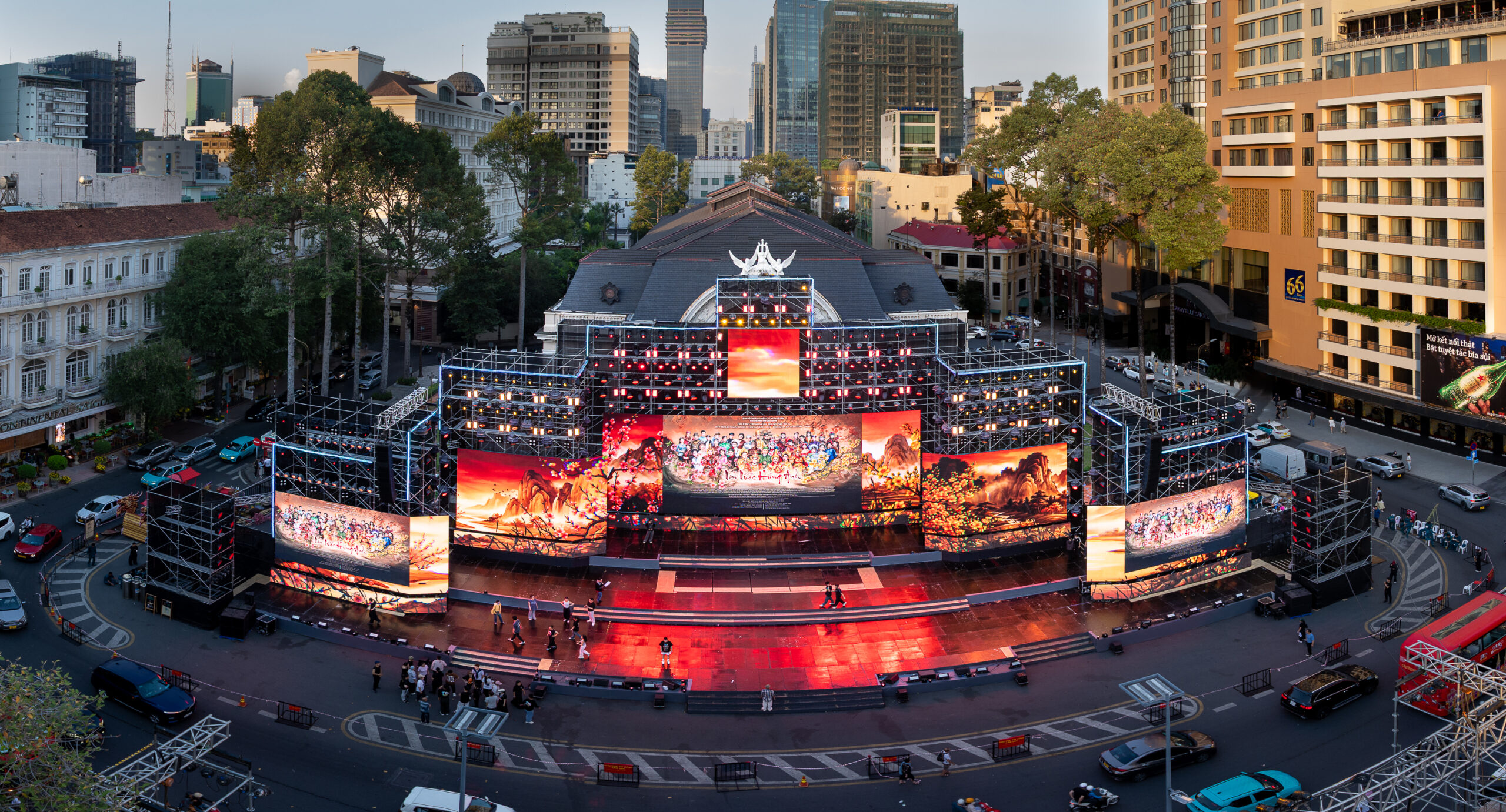
Aerial photography reveals symmetry and patterns invisible from ground level
6. Foreground Interest
Adding something in the foreground — rocks, flowers, a person’s silhouette — creates a sense of depth and pulls the viewer into the scene. Essential for landscape photography.
7. The “One More Step” Rule
Before you press the shutter, take one more step. Left, right, forward, down — changing your angle by even a meter can transform a boring shot into something special. The best photographers move their feet more than their zoom ring.
Practice Exercise
- Pick one rule per day for a week
- Shoot 20 photos using only that technique
- Review at the end of the week — you’ll see dramatic improvement
- Combine rules as you get comfortable (leading lines + framing = powerful)
Upload your best compositions and get feedback from our community at Exchange Photo.